How voice trading desks still work
Most trading now runs through screens and algorithms, yet a large share of the currency market and much of the bond and derivatives business is still agreed by someone talking. The equipment and the etiquette have changed less than people expect.
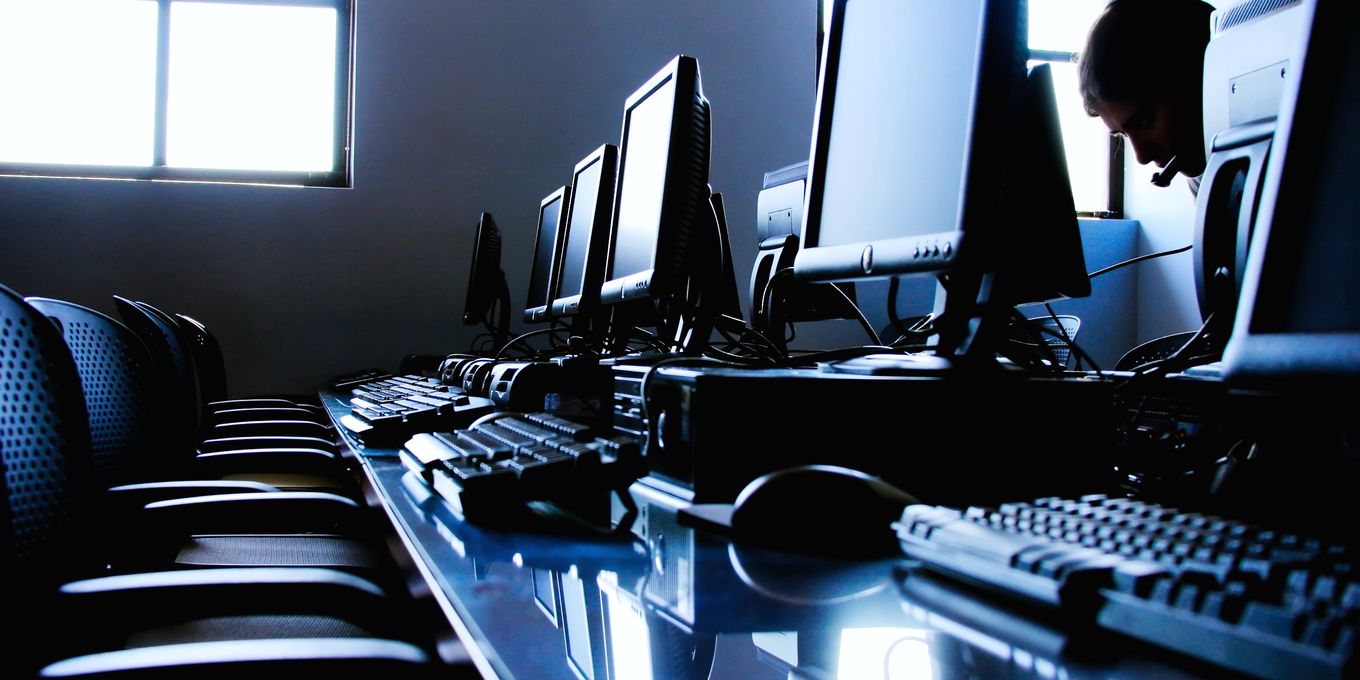
Walk onto a sales and trading floor at a large bank and the screens are the first thing anyone notices: four, six, sometimes eight to a seat. The second is the phone, a console with dozens of buttons, two handsets, a row of speakers and a microphone on a stalk. That console is called a turret, and for all the growth of electronic trading it remains the working tool of anyone whose job involves agreeing a trade by voice.
The turret and its lines
A turret is a specialized telephone system built for people who need many conversations open at once. Each button on the console is a line, and many of those lines are not dialed at all. A private wire, often called a ringdown, connects one desk directly to another at a client, a broker or another bank. Lifting the handset or pressing the button rings the far end straight away, or opens a channel that is already live. A trader can hold one counterparty on the left handset, another on the right, and listen to a third through a speaker.
The design exists because seconds matter. Dialing a number and waiting for a switchboard is too slow when a price is only good for as long as the other side is willing to hold it. Direct lines also make it clear who is on the other end, which counts for a lot in a business where a spoken “done” is a binding agreement.
The squawk box
Alongside the private wires runs a broadcast channel usually called the hoot or the squawk. It is an always-open speaker network inside a firm, sometimes across several offices, over which traders and salespeople call out prices, flows and news. A salesperson with a large client order might shout it down the squawk so every trader who could take the other side hears it at once. Research analysts use it for morning calls. In some markets, brokers run their own squawks, piping a continuous stream of bids and offers into clients’ speakers.
The squawk is noisy by design, and most people on a floor learn to hear their own product’s name through a wall of chatter the way anyone hears their own name across a crowded room.
Voice brokers
Between the banks sit interdealer brokers, and a good part of their business is still done by voice. A broker takes a bid from one dealer and an offer from another, shows each side the best price on the other, and brings them together when the two meet. The dealers do not want each other to know what they are doing until they have to, so in many broker markets the names stay hidden until a price is agreed. Only then does the broker disclose each side to the other, and each checks that it has room on its credit line for the counterparty.
Broker speech is its own dialect. A broker calling a market might give only the last two digits of a price, drop the units entirely, and use nicknames for currencies and bonds that everyone on the line already knows. “Mine” means the caller buys at the offer, “yours” means the caller sells at the bid, and either one, once said, is a trade. Prices come with a status. A firm price can be dealt on the moment the other side accepts it, while an indicative or “subject” price is a starting point for conversation and binds nobody. Confirmation still follows in writing, and each side’s systems book the deal, but the commitment was made in the spoken word.
Where voice survives
Electronic trading won the markets that suit it, where products are standardized and a price can be shown to many people at once without moving the market. The BIS triennial survey of April 2025 found electronic methods accounted for 59 percent of foreign exchange trading, virtually the same share as three years earlier, and noted that voice remained important for large spot trades where participants want to limit market impact and for derivatives with bespoke terms.
The same pattern holds across other markets. A block of an older corporate bond that trades a few times a month is still commonly done by phone, and so is a structured option with custom dates and barriers. So is much of the business with clients who prefer to talk through an idea before committing to it.
Voice also covers for failure. When a platform goes down or a market gaps on news, traders reach for the handset, because a private wire keeps working when an electronic venue has paused.
Chat took some of the work
Over the past two decades a good deal of the voice desk moved into the chat window. Persistent group chats and one-to-one messaging took over much of what used to be said on a private wire, from price indications to the small talk that holds relationships together. Chat is quicker to scan and leaves its own written trail.
Many trades now begin in chat and finish on the phone, or the other way round. For the firm, that means one conversation can run across two channels and several hours, and anyone reconstructing it later has to line up audio and text.
Every line is recorded
That reconstruction is routine, because almost everything said on a trading floor is recorded. Turret lines are routinely wired to voice recorders, and European rules, along with U.S. futures rules, require firms to keep conversations that lead to trades, often for years. Traders know it. That knowledge shapes how people speak on a recorded line, and it is why firms go to some trouble to stop business moving onto personal phones, where no recorder is listening.