Section
Speech technology
Software that turns a dealer's words into text, and the ways it goes wrong.
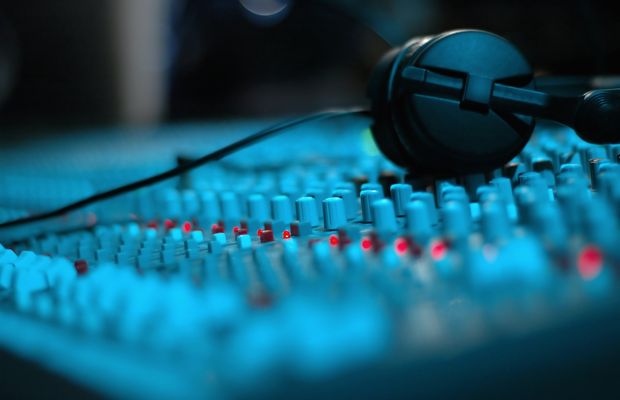
A trader’s call is hard audio. It arrives over a narrow phone channel, often with a second conversation bleeding in, and it is full of shorthand that no general recognizer met in training. This section looks at how the software is judged and where it slips.
Word error rate is the number every recognizer is sold on, and the page explains how it is counted and what it hides. A companion piece covers accents, crosstalk and desk audio, the conditions that push errors up on a trading line. The oldest page in the section, dated 2017, describes speech-to-text engines built specifically for the trading floor as they stood in the run-up to MiFID II.
Newest first
-
Accents, crosstalk and the phone line: where speech recognition slips
Why speech recognizers make more errors on some voices and on trading-desk audio: training data, narrowband phone lines, overlapping speech and what firms do about it.
-
Word error rate, and what it leaves out
How word error rate is calculated, why it can pass 100 percent, how normalization moves it, and why a trading transcript needs more than one number.
-
Speech-to-text built for the trading floor
Why general speech recognition stumbles on trader talk, what an engine trained on market audio does differently, and why MiFID II makes searchable calls matter.